What Is Baking Soda?
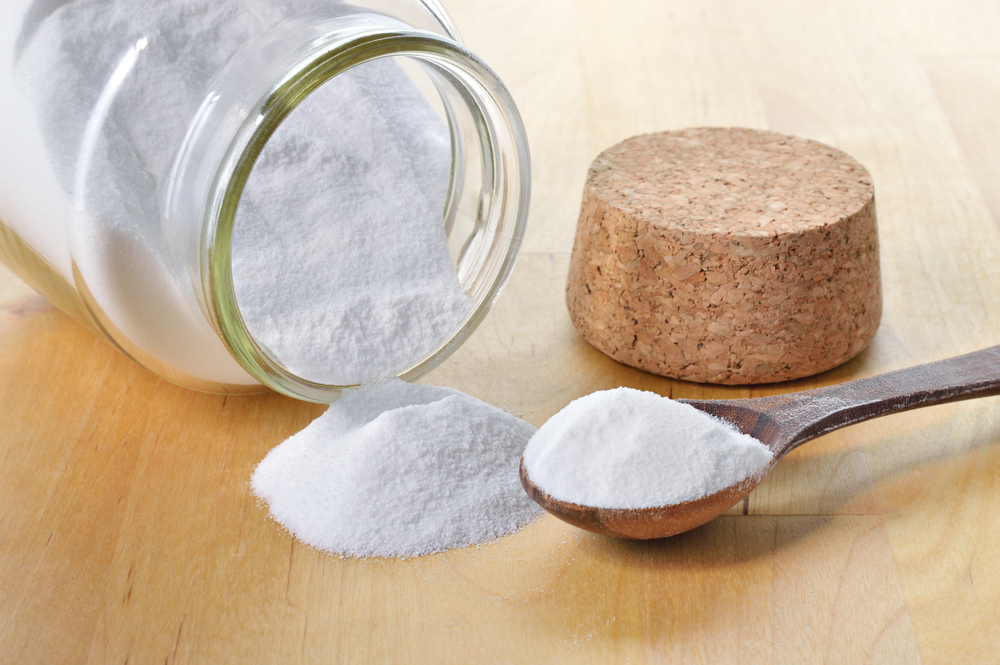
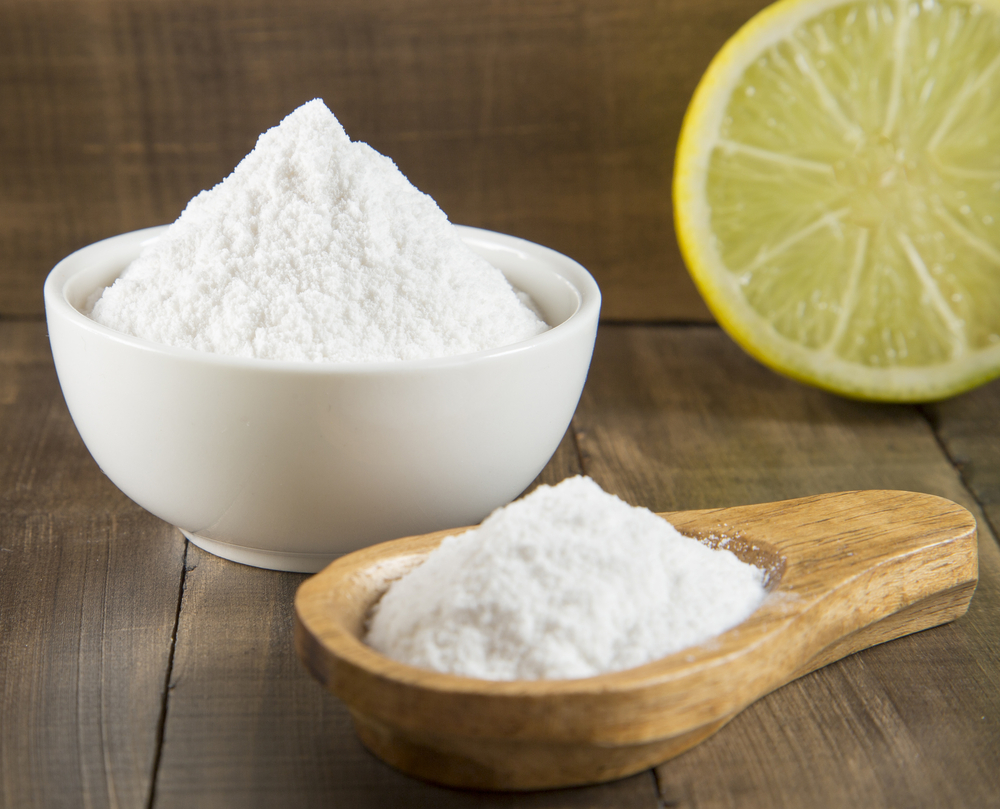
Baking soda, also known as sodium bicarbonate, is a naturally occurring crystalline chemical compound but is often found in powder form. Although baking soda is naturally occurring, it is often mined and, through a chemical process, created. Most baking sodas found commercially in the United States come from ore mined in Wyoming. The ore is heated until it turns to soda ash, and then it is combined with carbon dioxide to create the chemical baking soda. That being said, naturally occurring baking soda is also still available and is mined in the form of nahcolite. Nahcolite is the form of sodium bicarbonate that is most natural and has no chemical additives. Bob’s Red Mill is proud to sell natural baking soda that has not been chemically produced.
Baking soda is highly versatile and when used by itself or combined with additional compounds, can lend itself as a remedy for multiple different uses. Valued for its cleaning and baking properties, baking soda has been used for thousands of years. Use of baking soda dates back to Ancient Egypt when it was used as a cleaning and drying agent in the process of mummification. Baking soda became commercially available during the mid-19th century and has since become a staple in most homes, whether it’s in cleaning products, beauty products, or even in a wide range of cooking and baking recipes.
How Does Baking Soda Work?
Baking soda is most commonly used in baking as a leavening agent, hence its name. Before the commercialization of baking soda, biological leavening and fermentation processes were used but less convenient due to the extensive length of time associated with biological leavening. As most have formerly learned through science class and experimental measures, when a base meets an acidic ingredient like buttermilk, sour cream or lemon juice, a chemical reaction occurs. This concept is the same for baking soda as it pertains to baking. When baking soda is mixed with an acid and a liquid, it will create bubbles of carbon dioxide gas that give it a fluffy texture. That being said, baking soda can react without acid if it is warmed above 122°F or subject to long-term heat and humidity. If baking soda is stored within reasonable temperatures (at or below 77°F and 75% humidity), it will keep indefinitely.
Baking soda is generally used as an active ingredient in quick-bake recipes such as cookies, muffins, and pancakes. This is because of the fast-acting chemical reaction associated with baking soda and the acidic counterpart. When baking soda is combined with acid, CO2 gas bubbles are released, creating the “airy” effect in batter and dough. Furthermore, once the dough or batter starts to bake, the carbon dioxide will begin to filter through the dough and expand air that is trapped inside. The sources of acid combined with the baking soda will determine if the dough or batter can be kept in the refrigerator or needs to be baked immediately.
For example, if the sources of acid are dry, such as cream of tartar or cocoa powder, then they can keep longer once combined with baking soda. However, if the acids are wet, such as yogurt or lemon juice, then the resulting batter will need to be used promptly. Baking soda can also provide dough with increased pH levels, which creates a heightened alkalinity. Through the increase in pH, the gluten in the dough becomes weakened, which creates a tender texture for cookies and pastries versus something chewier such as bread. Quantity is an important component, considering the effect baking soda has on baking recipes.